How to Choose Filter Production Equipment: Pleat Height, Speed & Material Selection Guide
Jun 11, 2026
The booming air purification, industrial filtration and automotive filter industries drive rising demand for filter elements. Proper equipment selection is critical to product quality, productivity and cost control. This guide simplifies key selection points around pleat height, running speed and filter material, to help you pick ideal production lines efficiently.
1. Pleat Height: Match Filter Types
Pleat height determines filter size, filtration area and applicable scenarios. Select equipment according to your products first.
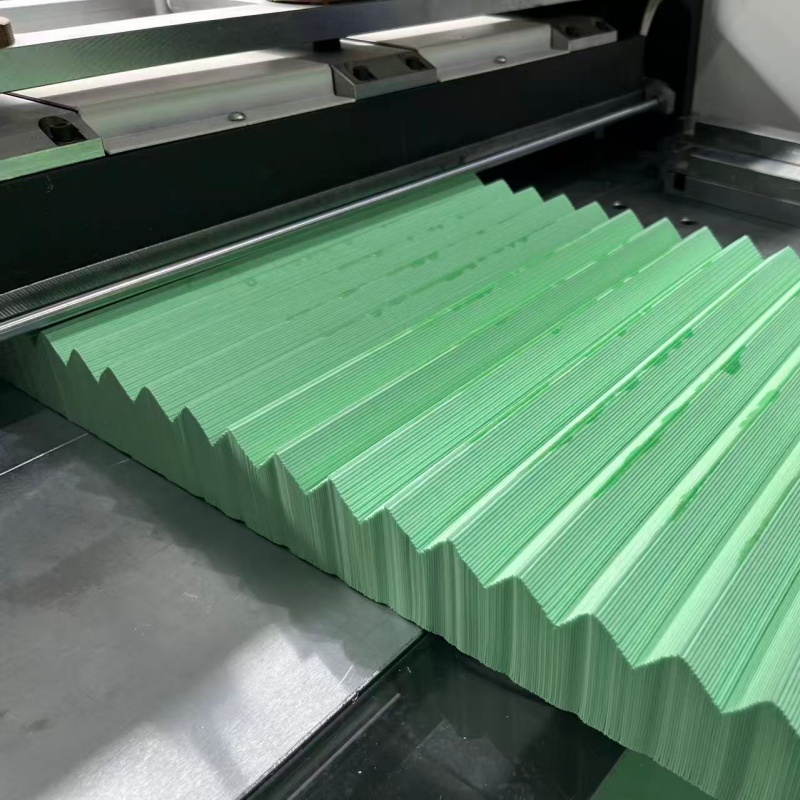
3–70 mm: For automotive cabin filters, robot vacuum filters, small HEPA filters. Recommended: 6th-Gen Fully Automatic Knife-Type Pleating Line. It supports M-type pleats with strong versatility.
70–150 mm: For industrial dust filters, HVAC filters and regular fiberglass filters. Recommended: 7th-Gen 3-150mm Pleating Line & 20-150mm High-Temp Fiberglass Pleating Line.
150–300 mm: For large HEPA/ULPA filters, high-temperature filters for spray booths. Recommended: 7th-Gen 300mm Pleating Line & high-temperature fiberglass production lines.
Tips: Fiberglass is brittle, avoid excessive pleat height. Standard width is 800mm; 1000mm/1300mm customized sizes are available.
2. Running Speed: Match Production Capacity
All devices support stepless speed regulation. Choose speed based on your output scale:
Small workshops & sample production: Pleating speed 0–100 folds/min. 2nd-Gen pleating lines are easy to operate and ideal for small-batch & frequent model changes.
Medium factories for mass production: Pleating speed 100–300 folds/min. 6th-Gen knife-type pleating lines run stably with high cost performance.
Large-scale automated production: Pleating speed 300–400 folds/min. 7th-Gen servo-controlled lines ensure high precision at high speed, compatible with full automatic production lines.
Fiberglass & high-temp filters: Keep speed below 80 folds/min to prevent material damage.
Tips: Prioritize servo-controlled equipment for balanced speed and precision. Keep consistent speed if connecting multiple machines into one production line.
3. Filter Material: Select Targeted Equipment
Different filter materials require differentiated machine configurations:
PP non-woven fabric & wood pulp paper: Flexible and durable. Standard knife-type pleating lines work well, matched with PP intermittent gluing lines and cutting machines.
Fiberglass (including high-temperature fiberglass): Fragile. Use dedicated fiberglass pleating lines with flexible tension control. Reduce running speed during operation.
PTFE material: Smooth surface, easy to shift. Choose high-precision servo lines equipped with anti-slip and deviation-correcting structures.
Tips: For mixed production of multiple materials, use universal multi-functional pleating lines to save procurement costs.
4. All-in-One Matching Solutions by Scenario
Small factories (PP material, small orders): Pleating machine + manual cutting machine + frame dispenser
Auto filter manufacturers (mainstream pleat height): 6th-Gen pleating line + pleating & gluing integrated line + edge trimming machine
High-efficiency filter factories (fiberglass, high-temperature resistant): High-temp fiberglass pleating line + corrugating machine + hot melt glue machine + leak test bench
Large full-range production plants: 7th-Gen pleating lines + fiberglass lines + automatic cutting & inspection equipment
5. Summary
Selection order: Confirm pleat height by products → Set running speed by capacity → Configure equipment by filter material.
Suitability comes first: Higher pleat height or faster speed does not mean better performance.
Choose suppliers with one-stop services including installation, training and after-sales support for long-term stable operation.
Pick the right equipment to boost your production efficiency and product competitiveness!
Read More