Enter product details (such as color, size, materials etc.) and other specific requirements to receive an accurate quote.
leave a message
If you are interested in our products and want to know more details,please leave a message here,we will reply you as soon as we can.
submit
other
Home

Blog

Blog

  • Why Do Tall-Pleat PTFE Filters Suffer from Springback?
    Why Do Tall-Pleat PTFE Filters Suffer from Springback?
    Jun 24, 2026
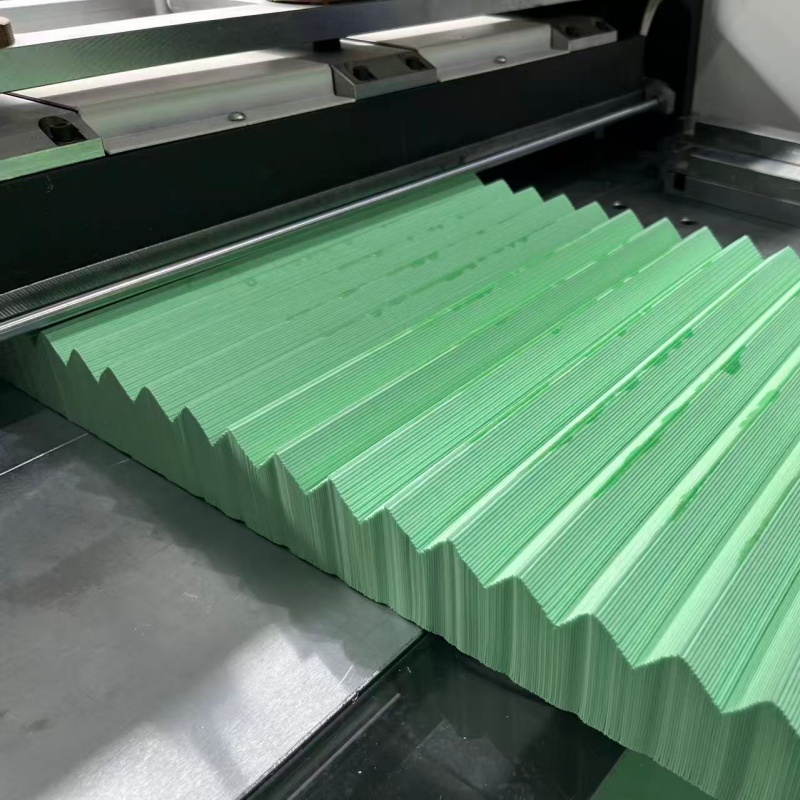
      Introduction In mass production of PTFE filter pleating, pleat springback is the most common and yield-impacting pain point — especially for products with pleat heights above 50mm. Freshly folded filter media often relaxes, loses height, or even becomes unassembled after sitting for hours. Many factories simply crank up the heating temperature, which instead causes membrane shrinkage and micropore damage. In reality, taller pleats create far stronger bending internal stress, placing stricter requirements on heat-setting temperature, dwell time and heating uniformity. This blog focuses solely on springback in tall-pleat PTFE production, breaks down the root causes, and provides actionable parameter tuning solutions to stabilize pleat geometry and reduce rework rates.   1. Why Taller Pleats Are More Prone to Springback PTFE has a highly stable molecular structure and strong elasticity. Mechanical bending creates internal stress; heat setting works by relaxing molecular chains, releasing bending stress, and locking the fold angle upon cooling. The taller the pleat, the more severe the problem, for two core reasons: 1. Exponentially rising bending stressWhen pleat height increases from 20mm to 100mm, material stretch and internal stress at the fold root rise dramatically. Standard temperature and heating time cannot fully release the stress, leaving stronger molecular rebound force after cooling. 2. Harder heat penetrationTaller pleats mean more stacked layers and a thicker fold root. Single-sided or short-duration heating only sets the surface layer; internal stress remains unrelieved and causes gradual springback over time. This is exactly why low-pleat products run stably with standard parameters, but quality issues appear frequently as soon as you switch to taller pleats.   2. 3-Step Precision Tuning Method for Tall-Pleat Heat Setting For the 8–150mm pleat height range, you can adjust parameters stepwise following the rules below — no blind temperature increase needed, balancing both forming stability and membrane performance. Step 1: Graduated temperature increase Take standard medium-thickness PTFE composite filter media (0.2–0.5mm) as the baseline. Raise the set temperature for each pleat tier: Pleat height 8–50mm: base heat-setting temperature 190–210°C Pleat height 50–100mm: increase by 10–15°C, set to 200–225°C Pleat height 100–150mm: increase by another 5–10°C, set to 210–240°C Critical limit: No matter how tall the pleat is, the set temperature must stay at least 15°C below the 260°C deformation threshold. Always calibrate actual temperature measurement points in real time to avoid local overheating that causes PTFE micropore collapse and reduced filtration efficiency. Step 2: Reduce line speed to extend heating dwell time Setting effect = temperature × heating duration. Raising temperature alone without slowing down will still cause springback, as the fold root does not receive enough heat. Pleat height 8–50mm: high-speed production at 200–300 folds/min Pleat height 50–100mm: reduce to 150–220 folds/min Pleat height 100–150mm: reduce to 80–150 folds/min Prioritize extending dwell time by lowering speed rather than increasing temperature drastically. This best preserves membrane properties and reduces shrinkage deformation risk. Step 3: Apply double-sided uniform heating for full fold root setting Single-sided heating is the hidden cause of tall-pleat springback: the surface layer sets properly, but stress remains on the inner and reverse sides of the fold root, causing slow springback from inside out. Always activate both upper and lower heating plates with identical temperature settings, ensuring both sides of the PTFE media absorb heat simultaneously and stress releases evenly Calibrate the temperature difference of left and right heating discs regularly. Correct deviations above 5°C to avoid good forming on one side and springback on the full web width.   3. 3 Common Mistakes in Tall-Pleat Heat Setting 1. Higher temperature = better formingAbove 240°C, PTFE undergoes irreversible thermal shrinkage, deforming membrane pore size and losing filtration precision — creating more scrap instead of reducing it. 2. Increasing blade pressure to replace heatingForcing the fold by mechanical pressure only damages filter membrane fibers at the fold root. It may look sharp initially, but the pleat will break and loosen much faster during service. 3. Cutting and unloading immediately after formingMolecules remain active right after hot forming. Immediate cutting and stacking deform the pleats under external force. Allow the media to cool slowly on a flat output table for 3–5 minutes before moving to the next process.   4. How TCZZ150-1300 Ensures Stable Tall-Pleat Forming Our TCZZ150-1300 full-automatic servo blade pleating production line is purpose-built with hardware configurations to solve tall-pleat forming challenges in PTFE media, reducing tuning difficulty and springback risk from the source: • 3 independent heating discs on both upper and lower plates, 6kW total power, full-width temperature difference controlled within ±3°C for uniform and thorough fold root heating • 10-inch touchscreen supports one-click parameter templates by pleat height, with synchronized matching of temperature, speed and blade angle — no repeated manual adjustment needed • Extended hard chrome plated output table provides sufficient slow-cooling space for pleats to fully stabilize before unloading • Full servo electronic cam controls blade opening/closing angle, delivering precise pressing force even for tall pleats without damaging the fold root membrane   Conclusion Springback in tall-pleat PTFE filters is essentially a mismatch between bending internal stress and heat-setting energy. You do not need to pursue extreme temperatures. By matching temperature stepwise to pleat height, slowing down line speed accordingly, and ensuring double-sided uniform heating, you can achieve stable permanent forming without compromising membrane performance. If you have been struggling with springback issues in tall-pleat PTFE production, our technical team can provide targeted equipment parameter tuning solutions. Feel free to contact us for details.
    Read More
  • How to Choose Filter Production Equipment: Pleat Height, Speed & Material Selection Guide
    How to Choose Filter Production Equipment: Pleat Height, Speed & Material Selection Guide
    Jun 11, 2026
      The booming air purification, industrial filtration and automotive filter industries drive rising demand for filter elements. Proper equipment selection is critical to product quality, productivity and cost control. This guide simplifies key selection points around pleat height, running speed and filter material, to help you pick ideal production lines efficiently.   1. Pleat Height: Match Filter Types Pleat height determines filter size, filtration area and applicable scenarios. Select equipment according to your products first. 3–70 mm: For automotive cabin filters, robot vacuum filters, small HEPA filters. Recommended: 6th-Gen Fully Automatic Knife-Type Pleating Line. It supports M-type pleats with strong versatility. 70–150 mm: For industrial dust filters, HVAC filters and regular fiberglass filters. Recommended: 7th-Gen 3-150mm Pleating Line & 20-150mm High-Temp Fiberglass Pleating Line. 150–300 mm: For large HEPA/ULPA filters, high-temperature filters for spray booths. Recommended: 7th-Gen 300mm Pleating Line & high-temperature fiberglass production lines. Tips: Fiberglass is brittle, avoid excessive pleat height. Standard width is 800mm; 1000mm/1300mm customized sizes are available.   2. Running Speed: Match Production Capacity All devices support stepless speed regulation. Choose speed based on your output scale: Small workshops & sample production: Pleating speed 0–100 folds/min. 2nd-Gen pleating lines are easy to operate and ideal for small-batch & frequent model changes. Medium factories for mass production: Pleating speed 100–300 folds/min. 6th-Gen knife-type pleating lines run stably with high cost performance. Large-scale automated production: Pleating speed 300–400 folds/min. 7th-Gen servo-controlled lines ensure high precision at high speed, compatible with full automatic production lines. Fiberglass & high-temp filters: Keep speed below 80 folds/min to prevent material damage. Tips: Prioritize servo-controlled equipment for balanced speed and precision. Keep consistent speed if connecting multiple machines into one production line.   3. Filter Material: Select Targeted Equipment Different filter materials require differentiated machine configurations: PP non-woven fabric & wood pulp paper: Flexible and durable. Standard knife-type pleating lines work well, matched with PP intermittent gluing lines and cutting machines. Fiberglass (including high-temperature fiberglass): Fragile. Use dedicated fiberglass pleating lines with flexible tension control. Reduce running speed during operation. PTFE material: Smooth surface, easy to shift. Choose high-precision servo lines equipped with anti-slip and deviation-correcting structures. Tips: For mixed production of multiple materials, use universal multi-functional pleating lines to save procurement costs.   4. All-in-One Matching Solutions by Scenario Small factories (PP material, small orders): Pleating machine + manual cutting machine + frame dispenser Auto filter manufacturers (mainstream pleat height): 6th-Gen pleating line + pleating & gluing integrated line + edge trimming machine High-efficiency filter factories (fiberglass, high-temperature resistant): High-temp fiberglass pleating line + corrugating machine + hot melt glue machine + leak test bench Large full-range production plants: 7th-Gen pleating lines + fiberglass lines + automatic cutting & inspection equipment   5. Summary Selection order: Confirm pleat height by products → Set running speed by capacity → Configure equipment by filter material. Suitability comes first: Higher pleat height or faster speed does not mean better performance. Choose suppliers with one-stop services including installation, training and after-sales support for long-term stable operation. Pick the right equipment to boost your production efficiency and product competitiveness!
    Read More
  • Selecting the Right Pleating Machinery: High-Temp Fiberglass glass fiber ribbon space seperator machine - Blade Pleaters &HEPA/ULPA & Automotive Filtration Manufacturing
    Selecting the Right Pleating Machinery: High-Temp Fiberglass glass fiber ribbon space seperator machine - Blade Pleaters &HEPA/ULPA & Automotive Filtration Manufacturing
    Jun 05, 2026
    Meta Description: Professional overview of High-Temp Fiberglass glass fiber ribbon space seperator filter production lines, CNC blade pleating machines, ribbon pitching spacing system & full-auto cabin filter element line for industrial and automotive air filter manufacturers across Middle East & global markets.   Introduction The global air filtration sector, especially the fast-expanding Middle Eastern industrial and automotive aftermarket, keeps driving consistent demand for precision filter pleating equipment. HEPA and ULPA high-efficiency filters, widely applied in automotive paint booths, high-temperature industrial ventilation and thermal insulation systems, rely on standardized pleating production lines to form stable, heat-resistant fiberglass filter media. This article systematically introduces core pleating equipment covering our two core high-temperature fiberglass folding production lines, CNC digital blade pleaters with ribbon space structure, ribbon pitching spacing system, and full-automatic cabin filter production line, assisting filter factory investors in targeted equipment procurement and production layout planning.   1. Two Core High-Temperature Resistant Non-Partition Fiberglass Pleating Production Lines Specially engineered for harsh industrial working conditions, our two series fiberglass pleating lines are designed exclusively for non-partition high-temperature fiberglass filter paper fabrication, core processing equipment for HEPA & ULPA filter raw material manufacturing. 1.1 Model: 20–300mm Adjustable Pleat Height Fiberglass Pleating Line Core Technical Specifications: Paper feeding speed: 0.5–10 m/min (infinitely adjustable) Max effective processing width: 1000 mm Adjustable pleat height scope: 20 mm ~ 300 mm Folding output: 0–70 folds per minute with stepless speed regulation Rated power supply: 380V / 50Hz; total machine weight: 700 KG 1.2 Model: 20–150mm Compact Non-Partition Fiberglass Folding Production Line Optimized for compact-size HEPA filter production, this variant limits adjustable pleat height within 20mm to 150mm while upgrading maximum folding speed to 0–80 folds/min; it retains identical feeding speed, 1000mm max processing width and 700KG machine weight. Industrial Application: Both production lines manufacture high heat-resistance fiberglass filter paper, serving automotive coating workshops, high-temperature industrial exhaust purification and heat preservation filtration projects. Products processed by the two lines gain steady market recognition among filter producers from GCC countries, Egypt, Turkey and other Middle Eastern territories due to reliable heat endurance and consistent pleat uniformity.   2. Ribbon Pitching System & Ribbon Space Blade Pleaters: Core Equipment for Partition-Type Filter Fabrication 2.1 Ribbon Pitching System As a core customized fitting for partition filter production equipment, the ribbon pitching system executes precise fixed-distance positioning for separating ribbons (aluminum or fiberglass spacer strips). It controls uniform spacing between filter pleats, effectively preventing filter element deformation under high airflow load, an indispensable functional module for partition-structured HEPA filter mass production. 2.2 Ribbon Space Blade Pleaters Integrated with complete ribbon pitching spacing control, Ribbon Space Blade Pleaters combine traditional blade pleating craft and automatic spacer positioning into one standalone unit. The all-in-one design realizes filter paper folding and ribbon spacing layout in a single production pass, drastically shortening production cycles for partition filter media. It stands as the mainstream preferred pleating machine for medium and small-scale filter manufacturers in the Middle East for flexible-batch HEPA processing.   3. Digital CNC Blade Pleating Machines: Cost-Effective Precision Pleating Solution for Start-Up Factories Equipped with standard Xinjie PLC and servo digital control system, Digital CNC Blade Pleating Machines adopt fully digital parameter setup via touch screen, allowing flexible customization on pleat height, feeding speed and processing width to adapt fiberglass, synthetic non-woven and multiple composite filter materials. With the entry-level model priced around USD 1,000, this series becomes the optimal cost-performance choice for newly founded filter workshops and small-batch diversified filter producers, widely stocked by regional machinery distributors across Middle East industrial hubs.   4. Automatic Cabin Filter Element Production Line: Dedicated Equipment for Automotive Aftermarket Focused on automotive cabin air filter full-process manufacturing, the automatic cabin filter element production line accomplishes unwinding, pleating, fixed-size cutting and edge sealing in an automated closed production flow, turning raw filter media into finished automotive cabin filter elements directly. Driven by continuous expansion of local automobile manufacturing and vehicle maintenance industry in the Middle East, cabin filter production equipment maintains robust annual procurement demand from auto spare parts manufacturers throughout Gulf nations and North Africa.   5. Professional Equipment Selection Guidance for Global Filter Investors For high-temperature industrial HEPA/ULPA non-partition filter production: Select either 20–300mm or 20–150mm fiberglass pleating production line according to your target maximum pleat dimension requirement; For partition HEPA filter manufacturing: Specify Ribbon Space Blade Pleaters equipped with full-set ribbon pitching spacing system; For small-scale multi-spec filter pilot production: Entry-level Digital CNC Blade Pleating Machine (USD 1,000 price bracket) is the most economical investment option; For mass production of automotive cabin filters: Deploy full-automatic Cabin Filter Element Production Line for integrated automated processing.   Closing Remarks Against the backdrop of growing industrial infrastructure and automotive industry development across Middle East and emerging global markets, diversified pleating machinery from full-auto fiberglass production lines to compact CNC pleating units covers all production demands ranging from large professional filter conglomerates to newly-established small manufacturing plants. Our standardized, customizable pleating equipment delivers stable output and long-term operational cost control, serving as trusted processing solutions for filtration manufacturers worldwide. Embedded Google SEO Core Keywords (natural layout for search ranking): fiberglass pleating production line, high temperature fiberglass folding machine, HEPA ULPA filter pleater, ribbon pitching system, ribbon space blade pleaters, digital CNC blade pleating machine, automatic cabin filter element production line, automotive air filter manufacturing equipment
    Read More
  • Ideal Precision Trimming Equipment for Air Filter Elements--Four-sided Trimming Machine
    Ideal Precision Trimming Equipment for Air Filter Elements--Four-sided Trimming Machine
    Jun 05, 2026
      In the production process of air conditioning filter elements, edge burrs, residual edge strips and irregular margins are common processing problems. These subtle flaws not only affect the overall appearance of the filter elements, but also easily cause assembly deviation, poor sealing performance and even reduced filtration efficiency in subsequent assembly and use, directly impacting the product quality and market competitiveness of air conditioning filter products. To solve this industry pain point efficiently and realize standardized and high-precision trimming of filter elements, the four-sided trimming machine specially customized for air conditioning filter element processing has become a core essential equipment in the filter production line. Different from traditional manual trimming and single-sided trimming equipment with low efficiency and inconsistent precision, this four-sided trimming machine focuses on the targeted processing needs of air conditioning filter elements. It can quickly and thoroughly remove redundant edge strips on the four sides of filter elements at one time, realizing integrated finishing of edge trimming, shaping and smoothing. It effectively solves the problems of uneven trimming, low yield and high labor cost in traditional processing, helping enterprises achieve standardized and batch production of filter elements.   Core Advantages: Empower High-Quality Processing of Filter Elements Aiming at the lightweight, precise and efficient production characteristics of air conditioning filter elements, this four-sided trimming machine has carried out targeted optimization in structural design and performance configuration, with prominent industry advantages: 1. Precise and clean trimming, no damage to filter elements Equipped with a 65mm high-precision blade, the equipment features sharp cutting, stable operation and flat trimming sections. It can completely remove residual edge strips without scratching, squeezing or deforming the filter element body. The finished filter edge is smooth and neat, with uniform overall size, which fully meets the high-precision assembly standards of air conditioning equipment and avoids air leakage and poor filtration caused by unqualified edges. 2. Wide processing range, strong compatibility The equipment supports maximum trimming size of 750mm in length and 650mm in width, covering the size specifications of most conventional household and commercial air conditioning filter elements. Whether it is a small-size household filter screen or a medium-size industrial air conditioning filter element, it can complete one-time four-sided trimming, with strong versatility and wide application range, reducing the cost of purchasing multiple equipment for different products. 3. Stable and energy-saving operation, low maintenance cost Adopting standard 220V/50Hz civilian industrial power supply, the equipment has low power consumption, stable operation and no abnormal noise during working. The whole machine weighs 300kg, with a solid and stable fuselage structure, which effectively avoids vibration displacement during high-speed operation and ensures long-term consistent processing accuracy. The blade has strong durability, simple later maintenance and low replacement cost, greatly reducing the daily operation cost of the production line. 4. Compact structure, easy to deploy With overall dimensions of 1250*1100*1500mm (L×W×H), the equipment has a compact and reasonable layout, does not occupy excessive production space, and is convenient for workshop placement and production line docking. It can be used independently or connected with upstream and downstream filter production equipment to form an automated production process, effectively improving the overall production efficiency.   Complete Technical Parameters, Clearer Product Positioning To facilitate customers to accurately match production needs, we sort out the core technical parameters of the equipment in detail: Maximum Trimmable Filter Length: ≤750mm Maximum Trimmable Filter Width: ≤650mm Blade Height: 65mm Power Supply: 220V/50hz Machine Weight: 300kg Machine Dimensions: 1250*1100*1500mm (L×W×H)   Application Scenarios This four-sided trimming machine is specially designed for air conditioning filter element processing, and is widely applicable to batch production and finishing of various air conditioning filter elements such as household air conditioners, central air conditioners, commercial air conditioning units and ventilation equipment. It is an indispensable high-efficiency supporting equipment for filter element manufacturers to improve product quality, increase production capacity and reduce defective rates.   Summary In the increasingly competitive filter processing industry, refined processing has become the key to product differentiation competition. This four-sided trimming machine perfectly balances precision, efficiency, cost and compatibility. It replaces inefficient manual trimming with automated four-sided synchronous trimming, effectively improving the yield and finishing quality of air conditioning filter elements, and helping enterprises achieve lean production upgrade. With stable performance, simple operation and strong practicability, it is a cost-effective professional trimming equipment for air conditioning filter element production lines.
    Read More
  • PTFE Material: Properties, Industrial Applications & Advanced Pleating Solution
    PTFE Material: Properties, Industrial Applications & Advanced Pleating Solution
    May 26, 2026
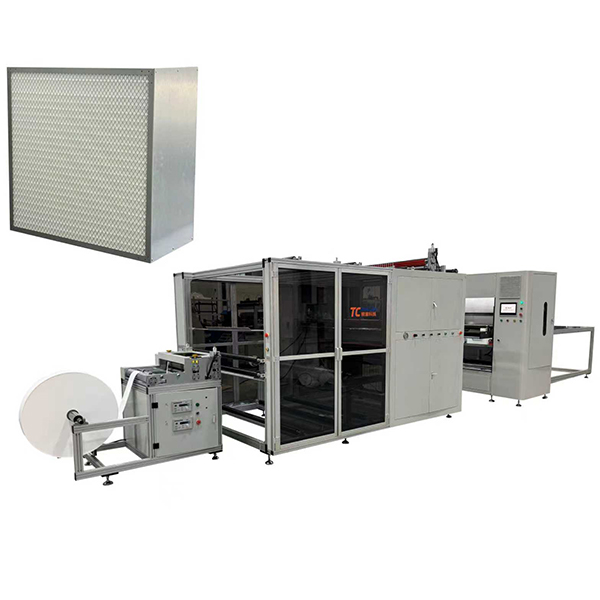
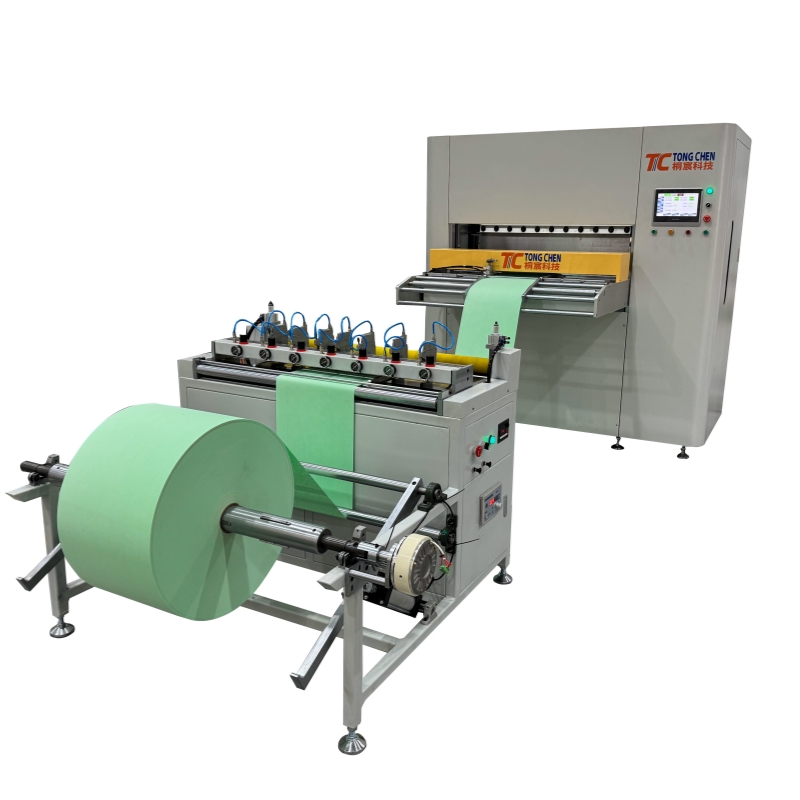
      “ "Our TCZZ150-1300 Full-Automatic PTFE Pleating System turns reliable, high-speed pleating for PTFE filter media into bottom-line value: reduced labor costs, minimized scrap rates, and faster lead times for your most demanding orders. This isn’t just a folding machine—it’s a competitive advantage built to help you meet rising demand, exceed quality expectations, and capture more share in the fast-growing PTFE filtration market." Nina Peng - Operations Manager   Introduction to PTFE Polytetrafluoroethylene (PTFE), widely known as the “King of Plastics”, is a high-performance synthetic fluoropolymer composed of carbon and fluorine atoms. First discovered accidentally in 1938, it has become an indispensable material across industrial sectors thanks to its unmatched comprehensive properties. PTFE features an extremely stable molecular structure, delivering exceptional chemical inertness, extreme temperature resistance, ultra-low friction coefficient, waterproof non-stick performance, and excellent electrical insulation. It remains stable in harsh environments that most plastics cannot withstand.   Core Performance Characteristics of PTFE Extreme Temperature ResistanceWorks continuously from -180°C to 260°C, maintaining stable physical properties without deformation or aging under long-term high or low-temperature conditions. Superior Chemical InertnessResists corrosion by strong acids, strong alkalis, aqua regia, and almost all organic solvents. It is hardly dissolved by any chemical substances, ideal for corrosive industrial environments. Ultra-Low Friction & Non-StickBoasts one of the lowest friction coefficients among solid materials with natural non-stick and hydrophobic performance, preventing dust and impurities from adhering to the surface. Durability & InsulationOutstanding anti-aging, wear-resistant, and high dielectric insulation properties, ensuring long service life in industrial filtration, machinery, and electronic applications.   Main Industrial Applications of PTFE Thanks to its versatile strengths, PTFE is widely applied in multiple fields, among which filter media is the most mainstream scenario: Industrial Filtration: Pleated PTFE filter media for high-temperature flue gas dust removal, waste incineration, cement, chemical, and pharmaceutical industries, achieving high-precision interception of fine dust and corrosive particles. Environmental Protection: Air purification HEPA filters, sewage treatment filter materials, with high porosity and stable filtration efficiency. Aerospace & Electronics: Wire insulation, precision mechanical wear-resistant parts, and high-temperature sealing components. Chemical & Food Industry: Anti-corrosion pipeline linings, non-stick processing accessories, and sterile filter materials. For filtration applications, pleating processing is the key step to expand PTFE filter area, improve air permeability, and enhance filtration efficiency. High-precision folding directly determines the performance and service life of PTFE filter products.   PTFE Full-Automatic Servo Motor Pleating Production Line To meet the high-precision and high-efficiency processing demand of PTFE filter media, we launch the TCZZ150-1300 Full-Automatic Servo Blade Pleating Production Line, professionally customized for PTFE paper and filter media folding production.   Core Equipment Composition The production line integrates paper unwinding frame, paper feeder, automatic counter, electrostatic removal device, and PTFE filter pleating machine into one fully automated workflow, realizing one-stop processing from feeding, conveying, counting to precise folding and heating shaping.   Key Advantages & Features Full Servo Electronic Cam ControlEquipped with 5 sets of Xinjie full-digital servo motors and 5-axis PLC control. It freely adjusts the opening/closing angle of upper and lower folding blades and paper pressing angle, supporting customized folding of W-type, step-type, and multi-layer PTFE materials. High Precision & Wide CompatibilityMax processing width: 1250mmAdjustable pleat height: 8-150mmFolding speed: 0-300 folds/min (stepless speed regulation)Built-in limit feeding platform effectively prevents material deviation; infrared monitoring synchronizes feeding and folding speed perfectly. Constant Temperature Heating & Static RemovalComes with an independent heating device (6KW heating power, temperature control: normal temperature to 260°C). Three heating plates on upper and lower sides ensure uniform heating and stable shaping. Equipped with a static removal device to avoid dust adsorption on PTFE materials. Stable Structure & Easy Operation10-inch touch screen realizes intelligent parameter setting and counting control. Thickened aluminum alloy frame, electroplated hard chromium shafts, and wear-resistant bearings ensure long-term stable operation. Pneumatic auxiliary adjustment simplifies operation and reduces labor costs.   Main Technical Parameters Item Specification Rated Voltage 380V/50Hz Working Air Pressure 0.6Mpa Overall Dimension Feeding machine: 1280×1600×1200mm; Pleating machine: 1800×1900×1650mm Machine Weight Feeding machine 250kg; Pleating machine 450kg   Why Choose Our PTFE Pleating Production Line? As PTFE filter media continues to be upgraded for high precision and high temperature, traditional manual and semi-automatic folding equipment can no longer meet market demands. Our TCZZ150-1300 production line solves the pain points of inaccurate folding, low efficiency, and unstable shaping of PTFE materials. It helps manufacturers achieve automated production, consistent product quality, and higher production capacity, perfectly matching the booming demand for PTFE filtration materials globally. If you are looking for professional PTFE filter processing equipment, feel free to contact our team for customized solutions and factory technical support.
    Read More
  • Optimize Filter Production with Advanced Filter Element Pleating Machine
    Optimize Filter Production with Advanced Filter Element Pleating Machine
    May 21, 2026
      In the modern filter manufacturing industry, a high-performance filter element pleating machine has become core equipment to boost production efficiency and product quality. More and more filter factories choose professional pleating machinery to complete filter paper folding and forming work efficiently. automatic filter pleating equipment Whatever you needs, TONGCHEN is at your side. For automotive filter production, the car filter element folding machine is widely favored. It is specially designed to process various automobile filter cores, matching the production demands of vehicle air filters and oil filters perfectly. When it comes to liquid filter making, the oil filter paper pleating machine stands out. It features stable operation and neat paper folding effect, greatly improving the sealing and filtering performance of finished oil filters. To meet large-scale ventilation system production needs, the air filter element pleating machine is the ideal choice. It can quickly finish pleating of large-area air filter materials, suitable for commercial and industrial air purification filter production. Enterprises pursuing higher production capacity will prefer the high speed filter pleating machine. Its fast working speed and stable running state effectively shorten production cycles and cut down labor costs for filter manufacturers. If you need versatile production equipment for diversified filter products, the automatic filter pleating equipment is your best pick. It supports automatic feeding, folding and shaping, realizing full-process unmanned production. Besides common household and vehicle filters, the industrial filter pleating machine is applied in chemical, mechanical and environmental protection industries. It can process thick filter materials to make high-strength industrial filter elements, meeting strict industrial filtration standards.   Conclusion All these pleating machines are designed to simplify filter production procedures. Choosing suitable filter processing machinery can not only upgrade product quality, but also help filter manufacturers gain stronger market competitiveness.
    Read More
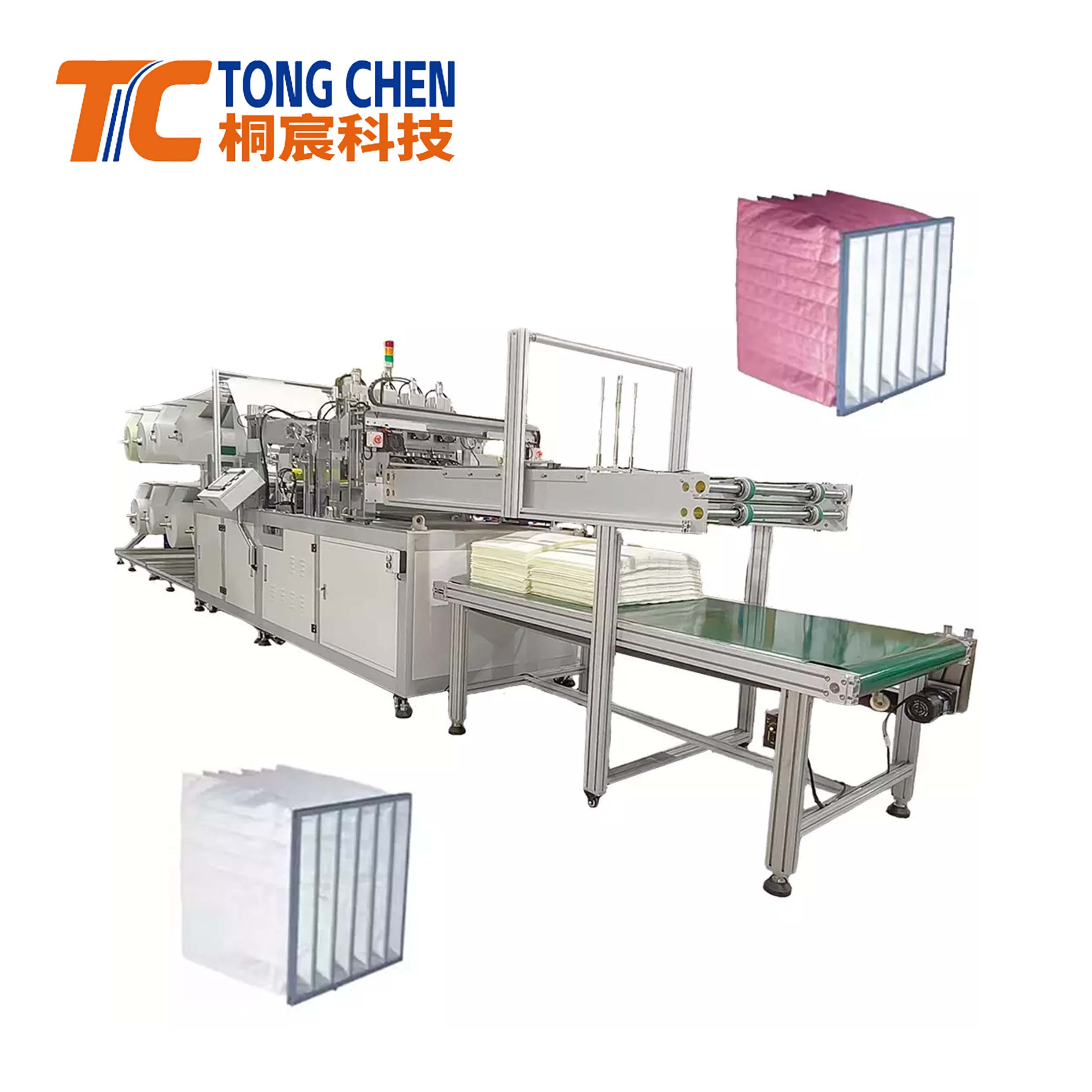
  • Pocket Filter Making Machine: Premium Solution for G4-F9 Medium-efficiency Filter Bag Production
    Pocket Filter Making Machine: Premium Solution for G4-F9 Medium-efficiency Filter Bag Production
    May 20, 2026
      Introduction In the HVAC and air filtration industry, medium-efficiency pocket filters are indispensable for industrial ventilation, air conditioning systems, clean rooms, and dust purification projects. The demand for high-precision, durable, and cost-effective filter bags continues to soar, which puts forward higher requirements for filter bag production equipment. Our Pocket Filter Making Machine is professionally developed to manufacture medium-efficiency air filter bags, integrating ultrasonic welding technology and automated processing systems to deliver stable, efficient, and high-quality filter bag production solutions for filter manufacturers.   Core Design & Working Principle This pocket filter making machine adopts mature ultrasonic welding technology, which is the core advantage distinguishing it from traditional gluing and stitching processes. Without using adhesives, the equipment realizes seamless and firm bonding of filter materials through high-frequency ultrasonic vibration. The whole production process is fully automated, covering raw material unwinding, feeding, welding, cutting, and finished product rewinding or sheet discharging. The machine has strong material compatibility and can process multiple common filter raw materials, including non-woven fabric, melt blown fabric, dual-component materials, and hot-air cotton. It perfectly supports the production of filter bags ranging from G4 to F9 efficiency grades, covering all mainstream medium-efficiency filtration products in the market, meeting diverse filtration needs of different industrial scenarios.   Key Technical Parameters & Performance Advantages Reasonable mechanical configuration and precise parameter design make this equipment stand out among similar filter bag making machines. The detailed technical specifications and competitive strengths are summarized as follows: 1. Flexible Production Size Range To adapt to customized production demands of different filter bags, the machine is equipped with a flexible size adjustment system. Its maximum bag width reaches 750mm. In terms of length, it supports two production modes: the single-output mode achieves a maximum bag length of 3600mm, while the dual-output mode hits 1800mm. Whether it is short and compact filter bags for small ventilation equipment or ultra-long filter bags for large industrial air ducts, the machine can complete processing efficiently. 2. Efficient Production Capacity Production efficiency is a key factor affecting factory output benefits. This equipment has two production modes to meet different processing requirements. The rewinding speed can reach 22 meters per minute; for sheet finished products, the processing capacity is up to 30 pieces per minute. The actual output can be adjusted flexibly according to filter bag size and material thickness, balancing production speed and product quality to avoid material waste. 3. Advanced Ultrasonic Welding Technology Compared with traditional bonding processes, ultrasonic welding brings unparalleled advantages. The welding seam is smooth, firm and not easy to crack, effectively preventing air leakage and dust leakage of filter bags. Meanwhile, the welding process is environmentally friendly with no glue residue, no chemical pollution, which conforms to the environmental protection production standards of the filtration industry and ensures the cleanliness of air filter products. 4. Optimized Material Loading & Unwinding System The machine is designed with a large-capacity material winding structure. The maximum winding diameter and unwinding diameter both reach 1000mm (1m). The large-diameter material roll design reduces the frequency of raw material replacement, shortens production interruption time, and greatly improves continuous production efficiency, which is very suitable for mass industrial production. 5. High-precision Servo Motor Configuration Equipped with 4 high-performance servo motors, including 2 absolute servo motors, the equipment realizes precise control of feeding, cutting and positioning. The servo drive system ensures stable material transmission, accurate cutting size, and low operation failure rate. It effectively avoids defective products caused by position deviation, reduces manual intervention, and lowers the later maintenance cost.   Product Application Scenarios The medium-efficiency filter bags produced by this machine are widely used in multiple industries, with stable filtration performance and strong practicability: ∗ HVAC Air Conditioning System: Commercial buildings, shopping malls, office buildings and central air conditioning ventilation systems to intercept medium-sized dust particles. ∗ Industrial Purification: Factories in electronics, pharmaceuticals, food and chemical industries to assist workshop air purification. ∗ Clean-room Ventilation: Intermediate filtration link of clean rooms to protect high-efficiency filters and extend their service life. ∗ Environmental Dust Removal: Industrial dust collection and waste gas pre-treatment systems to reduce air pollutant emissions.   Why Choose This Pocket Filter Making Machine? • Wide Compatibility: Supports various filter materials and covers G4-F9 efficiency grades, meeting diversified production needs. • Stable & Durable: Servo motor drive + ultrasonic welding technology, low failure rate and long service life. • High Production Efficiency: Dual production modes + large-diameter material rolls, realizing uninterrupted mass production. • Low Operating Cost: Fully automatic operation reduces labor costs; no glue consumption cuts raw material expenses. • Premium Finished Product: Tight welding seam, uniform size and good air permeability, improving the market competitiveness of filter bags.   Conclusion With the continuous upgrading of global air purification standards, medium-efficiency pocket filters will maintain a strong market demand. This pocket filter making machine perfectly integrates automation, high efficiency and precision, solving the pain points of low efficiency, unstable quality and high cost in traditional filter bag production. It is an ideal processing equipment for filter manufacturers to expand production scale and optimize product quality. Whether you are a small and medium-sized filter processing factory or a large industrial production enterprise, this equipment can bring stable production capacity and considerable economic benefits. If you are looking for a reliable medium-efficiency filter bag production machine, this ultrasonic pocket filter making machine will be your cost-effective choice.
    Read More
  • Why Fiberglass Filter Production Requires Professional Automated Production Lines
    Why Fiberglass Filter Production Requires Professional Automated Production Lines
    May 13, 2026
      “ "Our 300mm High-Temperature Fiberglass Folding Production Line turns precision for heat-resistant media into real-world results: less material waste, stable high output, and greater production efficiency for your filter manufacturing. This isn’t just a machine—it’s a strategic asset built to scale your quality, meet strict HEPA/ULPA standards, and secure your growth in high-end industrial and automotive filtration markets." Nina Peng - Operations Manager   In high‑efficiency filtration, industrial high‑temperature purification, automotive painting, semiconductor cleanrooms, and pharmaceutical fields, fiberglass filters — especially high‑temperature resistant models — are irreplaceable core components. Their material properties, structural precision, and performance stability cannot be guaranteed by manual operation or simple machinery. Only professional automated production lines can meet the strict requirements of mass production. 1. Fiberglass Filter Media Is Too Special for Ordinary Equipment Unlike PP, non‑woven, or paper filter materials, fiberglass has unique characteristics: Brittle, fragile, easy to fray and produce powder High rigidity, poor resilience, sensitive to folding force Requires uniform pleats, consistent spacing, and flat forming Manual or simple equipment often causes: Uneven pleats, distorted angles Material breakage, high scrap rates Unstable filtration area and excessive air resistance Professional automated lines protect fiberglass throughout the entire process — feeding, tension control, pre‑slitting, marking, pleating, and conveying — ensuring zero damage and stable forming. 2. Precision Determines Performance: Simple Machines Cannot Make HEPA-Grade Filters Filtration efficiency, dust-holding capacity, air resistance, and service life all depend on pleating precision. Professional automated lines provide three critical advantages: Full servo control: Precise adjustment of pleat height, speed, and pressure with minimal error Dual servo knife pleating: Ideal for brittle fiberglass, forming straight, firm pleats Integrated slitting & pleating: One‑step processing to eliminate secondary damage and deviation In contrast, products from basic machines: Fail to meet HEPA/ULPA standards Show unstable performance between batches Cannot pass leakage or high-temperature reliability tests 3. High-Temperature Fiberglass Filters Require Specialized Production Lines High-temperature fiberglass filters are widely used in: Automotive paint booths (200°C+) New energy battery baking Semiconductor & pharmaceutical cleanrooms Industrial boilers, kilns, waste incineration These applications demand: Heat-resistant fiberglass media High-temperature adhesive and support lines Stable pleating under high-temperature conditions Ordinary machines often cause: Pleat deformation Layer separation Sealing failure Poor performance in high-temperature environments Only specialized high-temperature automated lines ensure qualified output. 4. Mass Production & Consistency Win Global High-End Markets For automotive, semiconductor, new energy, pharmaceutical, and export orders, consistency is mandatory: Uniform pleat depth & spacing Stable air resistance & efficiency Pass leakage and strength testing Traceable process parameters Automated lines deliver: 24-hour stable running High output, low labor cost Batch-to-batch consistency Easy access to international certifications & high-end markets Our Recommended Solution Tongchen 300mm High-Temperature Non-Partition Fiberglass Folding Production Line Designed specifically for high-temperature resistant fiberglass HEPA/ULPA filters, this line solves all critical production pain points. Key Features Pleat height: 20–300mm adjustable Max working width: 1000mm Pleating speed: 0–60 folds/min, stepless adjustable Dual servo knife system for precise, non-damaging pleating Automatic synchronous control for top/bottom lines and filter paper Aluminum press plate specially designed for fiberglass High-temperature resistant structure for heat-resistant media Stable, durable, low failure rate, easy operation Main Applications Automotive painting line high-temperature filtration Semiconductor & electronics cleanrooms New energy battery manufacturing Pharmaceutical aseptic & high-temperature sterilization areas Industrial kilns, boilers, waste incineration flue gas treatment Conclusion Fiberglass filters — especially high-temperature resistant models — are high-performance components that demand precision manufacturing. For stable quality, high output, low scrap rates, and access to global high-end markets, a professional automated production line is not an option — it is a necessity. Tongchen’s 300mm High-Temperature Non-Partition Fiberglass Folding Line gives you the technology to produce premium high-temperature fiberglass filters efficiently and reliably.
    Read More
  • Air Filter Element Pleating Machine: Ultimate Guide to Filter Media Pleating Solutions
    Air Filter Element Pleating Machine: Ultimate Guide to Filter Media Pleating Solutions
    May 12, 2026
    Air Filter Element Pleating Machine: Ultimate Guide to Filter Media Pleating Solutions Published: May 12, 2026   Introduction In the competitive filtration manufacturing industry, the air filter element pleating machine has become indispensable equipment for producing high-performance air filters, automotive filters, HVAC filters, and HEPA filter products. Filter pleating technology directly determines filter surface area, airflow efficiency, dust holding capacity, and overall product durability. For filter manufacturers seeking stable output, uniform pleat formation, and cost-effective production, choosing a professional pleating machine brand is critical. Among global top manufacturers, TONGCHEN stands out as a trusted supplier of full-series filter pleating equipment, delivering reliable, fully automatic, and high-precision pleating solutions for worldwide clients.   What Is an Air Filter Element Pleating Machine? An air filter paper pleating machine is specialized industrial equipment designed to fold raw filter media such as filter paper, synthetic non-woven fabric, fiberglass media into standardized zig-zag pleats. This process maximizes the filtration area without increasing the overall filter size, ensuring better air purification performance and longer service life. Modern pleating equipment integrates automatic material feeding, servo pleat forming, tension control, fixed-length cutting, and intelligent HMI operation. It is widely applied in automotive, industrial ventilation, household air purification, HVAC systems, and cleanroom filtration industries.   Key Types of Pleating Machines From TONGCHEN To meet diverse manufacturing demands, TONGCHEN provides a complete range of pleating machines covering multiple application scenarios, matching all Google high-search keywords: Automotive filter element pleater Specially optimized for car air filters, cabin air filters, and engine intake filters. It supports multiple filter paper thicknesses and adjustable pleat height, ideal for mass production of auto filter elements. HEPA filter pleating equipment Designed for high-efficiency HEPA and ULPA filter media. It achieves ultra-fine, uniform pleats with high density, meeting strict cleanroom, medical, and air purifier filter production standards. Industrial filter folding machine Suitable for large industrial air filters, dust collector filters, and heavy-duty filter elements. TONGCHEN industrial folding equipment features sturdy structure, stable running speed, and long continuous working life. Cabin air filter pleating machine Professional model dedicated to automotive cabin air filters, with fast mold change, low material loss, and consistent pleat spacing, helping manufacturers improve product qualification rate. Full automatic filter pleating machine TONGCHEN fully automatic pleating machines realize one-click parameter setting, automatic deviation correction, and unmanned continuous production, greatly saving labor costs and improving production efficiency.   Core Advantages of TONGCHEN Pleating Machines High Precision Pleat Consistency: Adopts servo drive system and CNC control, ensuring even pleat spacing, height and folding angle for every filter element. Wide Media Compatibility: Works with filter paper, synthetic fiber, activated carbon media, fiberglass and composite filter materials. Intelligent Operation: Equipped with touchscreen HMI, easy parameter adjustment, fault self-diagnosis and production data statistics. Durable & Low Maintenance: Heavy-duty mechanical structure and imported core components reduce failure rate and extend service life. Customized Support: TONGCHEN can customize pleat size, working width, production speed and production line layout according to customer factory requirements.   Why Choose TONGCHEN As Your Pleating Machine Partner With years of focus on filtration machinery R&D and manufacturing, TONGCHEN is not only a supplier of air filter element pleating machine, but also a one-stop solution provider for filter production lines. We provide machine installation, technical training, after-sales maintenance, and production process optimization services for global customers. Whether you are a small filter factory starting production or a large manufacturer upgrading automated production lines, TONGCHEN can provide cost-effective, high-stability pleating equipment to boost your product competitiveness in the global market.   Conclusion As the demand for air purification and industrial filtration continues to grow, investing in a high-quality air filter element pleating machine is the key to improving product quality and production efficiency. If you are looking for reliable air filter paper pleating machine, HEPA filter pleating equipment, or automotive filter element pleater, TONGCHEN is your most trustworthy long-term partner.
    Read More
  • 4 Key Upgrades That Transform HEPA Filter Manufacturing
    4 Key Upgrades That Transform HEPA Filter Manufacturing
    May 07, 2026
      HEPA filters are critical for capturing microscopic contaminants, and their performance hinges entirely on the quality of the pleating process. Today, we’re thrilled to announce the new upgrade of our Full Auto Mini HEPA Filter Pleating Production Line – a game-changer designed to address industry pain points and elevate your manufacturing capabilities with four key enhancements. Let’s dive into the upgrades that make this line a must-have for modern HEPA filter manufacturers: 1. Dual Roller System: Unmatched Flatness for Consistent Pleats The foundation of a high-quality HEPA filter is perfectly flat filter media – any warping or unevenness can disrupt pleat uniformity, reduce filtration area, and compromise overall performance. Our new dual roller system eliminates this issue by applying consistent, balanced pressure across the entire width of the filter media. This upgrade translates to pleats that are uniform in depth and spacing, maximizing the filter’s dust-holding capacity and airflow efficiency – critical factors for meeting the strict standards of HEPA filtration. Whether you’re working with glass fiber, polypropylene, or other specialized filter media, the dual roller system delivers consistent flatness, reducing material waste and ensuring every filter meets your quality benchmarks. 2. Vertical Glue Application: Perfect Glue Lines, Every Time Glue application is a make-or-break step in pleating – uneven glue lines, overflow, or gaps can lead to pleat separation, filter failure, and costly rework. Our upgraded vertical glue application system revolutionizes this process, delivering precise, uniform glue lines that bond pleats securely without excess or mess. By applying glue vertically, we ensure even distribution along the entire height of each pleat, creating a strong, consistent bond that withstands the rigors of filter assembly and long-term use. Perfect glue lines that enhance filter durability and reliability, all while streamlining the production process. 3. 2.3m Extended Conveyor Belt: Boost Efficiency and Product Integrity Productivity and product integrity go hand in hand – and our 2.3m extended conveyor belt delivers both. The longer conveyor provides more space for the pleated media to cool and set after gluing, ensuring the glue fully adheres before the filter moves to the next production stage. This reduces the risk of pleat shifting or glue smearing, which are common with shorter conveyor belts that rush the cooling process. Beyond improving product quality, the extended conveyor also boosts workflow efficiency by allowing for a smoother, more continuous production process. It accommodates higher production speeds without compromising precision, making it easier to scale your output while maintaining consistent quality. 4. 100mm Higher Frame: Easier Feeding, Less Downtime Operator convenience and workflow efficiency are often overlooked, but they directly impact productivity and employee satisfaction. Our 100mm higher frame addresses the common pain point of cumbersome feeding, making it easier for operators to load filter media rolls and adjust materials without bending or straining. The elevated frame simplifies the feeding process, reducing the time spent on setup and adjustments, and minimizing the risk of media misalignment – a common cause of downtime and material waste. This upgrade not only improves operator comfort but also streamlines the entire production workflow, reducing bottlenecks and ensuring a more consistent, efficient operation. Whether you’re running small batches or large-scale production, the higher frame makes daily operations smoother and more efficient.   Versatile, Precise, and Built for Stability Beyond these four key upgrades, our Full Auto Mini HEPA Filter Pleating Production Line offers exceptional versatility to meet your unique manufacturing needs. With an adjustable pleating height range of 10-120mm, it accommodates a wide variety of HEPA filter sizes and specifications – from small mini-pleat filters for air purifiers to larger filters for industrial cleanrooms. Designed for stability and precision, the line integrates advanced automation and intelligent control, reducing human error and ensuring consistent performance across long production runs. Whether you’re a small manufacturer or a large-scale operation, this machine delivers the reliability you need to meet growing market demands. It handles various filter media types with ease, from glass fiber to synthetic composites, and its robust construction ensures long-term durability with minimal maintenance requirements.
    Read More
  • Everything About Modular Filter Paper Pleating & Gluing Production Lines
    Everything About Modular Filter Paper Pleating & Gluing Production Lines
    Apr 29, 2026
      "In filter production, ROI and reliability define success. Our HEPA Mini Filter Pleating Machine turns precision for high-temperature media into real-world results: less waste, more output, and greater profits for your clients. This isn’t just a machine—it’s a strategic asset built to scale your quality and secure your growth." Nina Peng - Operations Manager   What Is a Modular Filter Paper Pleating & Gluing Line? A modular filter production line is a set of independent but fully synchronized machines designed for filter paper forming. Our system includes three professional units: Pre‑slitting & paper feeding unit   Servo air filter pleating equipment   Automatic hot‑melt gluing machine   This structure ensures high stability, easy maintenance, and strong flexibility for industrial and automotive filter manufacturing.   Core Technical Knowledge You Need to Know 1. Why Servo Control Is Important for Pleating? Servo motors provide closed‑loop precision control for pleating blades. ✔ Stable pleat height and spacing ✔ High speed up to 280 folds/min ✔ Wide adjustment range: 5–70mm ✔ Less wear, longer service life 2. Why Heat Setting Is Necessary? Heat setting eliminates internal stress of filter paper after folding. ✔ Temperature range: room temperature ~ 260°C ✔ Prevents pleat rebound and deformation ✔ Improves glue adhesion and stability ✔ Ensures filters keep shape in high‑temperature environments 3. Why Synchronized Control Matters? All three units run at matched speed via PLC and infrared monitoring. ✔ No paper stretching or wrinkling ✔ Accurate alignment between pleating and gluing ✔ Higher product consistency ✔ Lower defect rate 4. Advantages of Modular Design   ✔ Easier maintenance and repair ✔ Flexible upgrade for new products ✔ Stable performance for each process ✔ Lower risk of full‑line shutdown ✔ Longer lifespan for core components   Frequently Asked Questions (FAQ) Q1: What materials can this line process? It supports: ● Filter paper ● Fiberglass media ● Non‑woven fabric ● Composite filter materials Q2: What filters can you produce? ● Automotive air, oil, fuel filters ● Industrial filters for compressors & generators ● HVAC and air purification filters ● Various industrial filter elements Q3: What is the processing range? ● Feeding width: 25–850mm ● Pleat height: 5–70mm ● Feeding speed: 0.5–25m/min Q4: How does the gluing system ensure precision? ● 52 independently controlled nozzles ● Supports continuous, intermittent, single/double‑sided, staggered gluing ● Real‑time synchronization with pleating ● Glue dots accurately on pleat peaks/valleys Q5: What are the key benefits for factories? ● High stability & low defect rate ● Labor saving & high efficiency ● Easy operation via touch screen ● Fast production changeover ● Long service life & low maintenance cost Q6: Is this line suitable for small‑batch and mass production? Yes. It supports fast parameter adjustment and is ideal for both customized small batches and large‑scale mass production.   Conclusion Our Fully Automatic Servo Blade Folding & Gluing Production Line uses servo control, synchronous drive, heat setting and independent gluing systems to provide a stable, efficient, and long‑lasting solution for filter manufacturers. If you are looking for a reliable filter forming production line, this modular system is your optimal choice.
    Read More
  • High-Precision Hot Melt Glue Machine-- the Core Driver of Efficient Filter Production
    High-Precision Hot Melt Glue Machine-- the Core Driver of Efficient Filter Production
    Apr 24, 2026
    For filter manufacturers, the biggest challenges in the gluing process often lie in three aspects: × Unstable gluing effect leading to product scrap, × Frequent glue addition affecting production continuity, × Cumbersome operation increasing labor costs. This high-performance and versatile hot melt glue machine is tailored for filter paper processing, and its advanced configuration and user-friendly design perfectly address these industry pain points, bringing a comprehensive upgrade to the filter gluing process.   70L Large-Capacity Glue Storage Tank: Uninterrupted Production Guarantee Continuous operation is the key to improving production efficiency in mass manufacturing. This hot melt glue machine is equipped with a 70L large-capacity glue storage tank, which can store a large amount of hot melt glue at one time to support long-term continuous operation. It avoids the problem of uneven gluing caused by temperature fluctuations when adding glue, laying a solid foundation for stable production efficiency and product quality.   Dual Sets of 50-Point Independent Glue Components: Precision Gluing Without Interference The core requirement of filter gluing is "precision". This hot melt glue machine is configured with two sets of 50-point independent glue components, and each component is equipped with a separate control solenoid valve, forming a fully independent gluing control system. For filters with complex structures and multiple gluing positions, this design can fully meet the diverse gluing needs, ensure the uniformity and consistency of each gluing point, and effectively reduce the product scrap rate caused by inaccurate gluing.   Standard 25.4mm Glue Line Spacing: Aligning with Industrial Standards The glue line spacing of this hot melt glue machine is fixed at 25.4mm, which is designed to meet the standard gluing requirements of most industrial filter products. For filter manufacturers, adhering to industrial standards can not only improve product quality but also enhance market competitiveness. The fixed standard glue line spacing of this machine eliminates the need for frequent adjustment of spacing parameters, simplifies the operation process, and ensures that each batch of products has consistent gluing quality, which is especially suitable for large-scale standardized production.   Intelligent Screen Control: Simple Operation, Precise Adjustment This hot melt glue machine adopts a humanized control design, and the glue gun is equipped with an intelligent screen control switch. This intelligent control design simplifies the operation process, reduces the learning cost of operators, and even new employees can quickly master the operation skills. At the same time, the precise adjustment of glue volume can avoid glue waste caused by excessive glue application and poor bonding effect caused by insufficient glue application, achieving the dual goals of cost saving and quality improvement. Compared with traditional manual control glue machines, this intelligent design greatly improves the convenience and accuracy of operation, and reduces the error caused by human operation.   Multiple Flexible Spraying Functions: Adapting to Diverse Gluing Scenarios Different types of filters and different processing links have different requirements for gluing methods. A single gluing mode can no longer meet the diverse production needs. This hot melt glue machine is equipped with a variety of flexible spraying functions, covering continuous glue spraying, single-side gluing, double-side gluing, surface broken glue, staggered gluing, and gluing according to the number of folds. This versatility not only reduces the need for multiple equipment for different gluing processes but also improves the flexibility of the production line, allowing manufacturers to quickly switch production processes according to product types and meet the diverse market demands. This high-precision and efficient hot melt glue machine for filter production, with its large-capacity glue storage tank, independent precision glue components, standard glue line spacing, intelligent control system, and diverse spraying functions, perfectly solves the pain points of traditional filter gluing, and achieves the integration of stability, precision, and efficiency. For any filter manufacturer pursuing high quality and high efficiency, this hot melt glue machine is undoubtedly an indispensable core production equipment, which will inject new power into the high-quality development of the filter industry.
    Read More
1 2 3

leave a message

leave a message
If you are interested in our products and want to know more details,please leave a message here,we will reply you as soon as we can.
submit
Contact us:minjuan0526@163.com

Home

Products

WhatsApp

contact